Is My Workplace Too Loud? A Practical OSHA/NIOSH Checklist
Updated Mar 10, 2026 • 9 min read
Workplace noise is easy to normalize. You get used to it, you talk louder, and you assume it’s “part of the job.” The problem is that hearing damage often builds slowly and silently. This guide is a practical screening checklist to help you decide whether you should wear hearing protection, reduce exposure time, or request a professional assessment.
This article is informational and not legal or medical advice. For compliance decisions, use certified measurement equipment and consult qualified professionals.
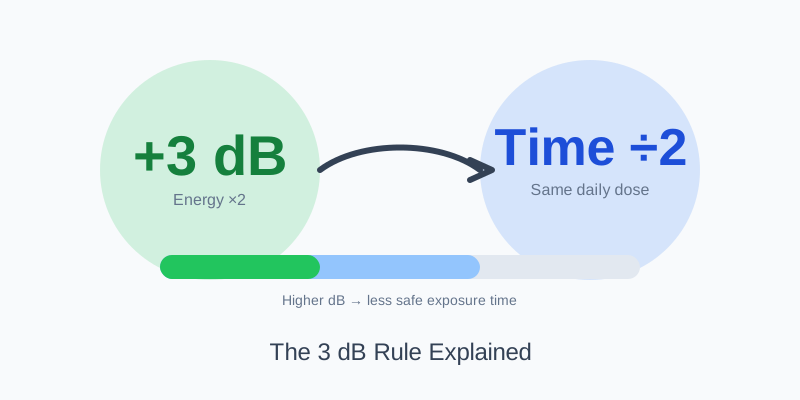
The Core Concept: Dose = Volume × Time
Noise risk depends on how loud it is and how long you’re exposed. This is why guidelines talk about an 8-hour limit and why small dB changes can matter. If your environment is frequently loud, reducing exposure time can be as important as reducing volume.
Quick Threshold Guide (Informational)
- Below ~70 dB: generally comfortable for long periods
- Around ~85 dB: extended exposure becomes risky; protection is often recommended
- 90–100 dB: safe exposure time drops quickly
- 100+ dB: minutes matter
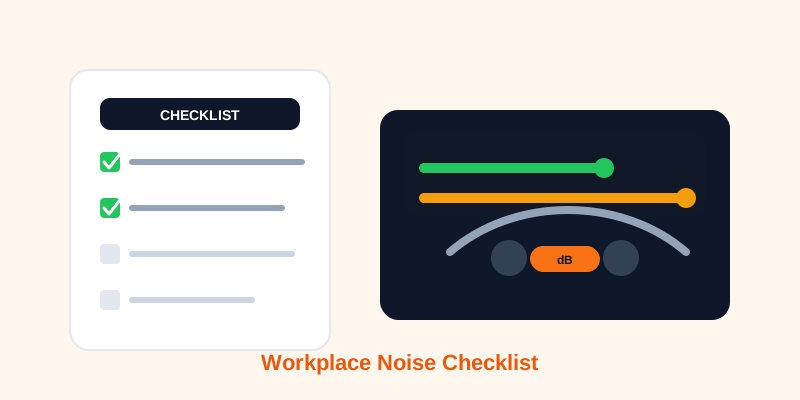
The 10-Minute Workplace Noise Checklist
Step 1: Pick three measurement points
- Where you stand most of the day
- Near the loudest machine or task area
- The break area (your “recovery” zone)
Step 2: Measure 60-second averages
For each point, record an average dB over 60 seconds plus a short context note: what machines were running, what task was happening, and how close you were to the source. Consistent context beats a single screenshot.
Step 3: Repeat on another day
A second measurement session helps confirm whether the pattern is stable or a one-time spike. It also creates better documentation if you need to request changes.
Step 4: Reduce exposure immediately if needed
- Wear hearing protection during loud tasks
- Increase distance from the source when possible
- Take quiet breaks to lower total daily dose
Controls That Employers Actually Implement
The best improvements are usually a combination of engineering controls, administrative controls, and protective equipment:
- Engineering: maintenance, damping, enclosures, barriers, quieter equipment
- Administrative: rotation, scheduling loud tasks, limiting time in noisy zones
- PPE: earplugs or earmuffs as the fastest immediate step
Documentation That Helps You Get Action
If you want changes, document measurements with timestamps and context. This guide shows a structured approach that works for many real-world situations: How to Collect Valid Evidence with a Sound Meter.
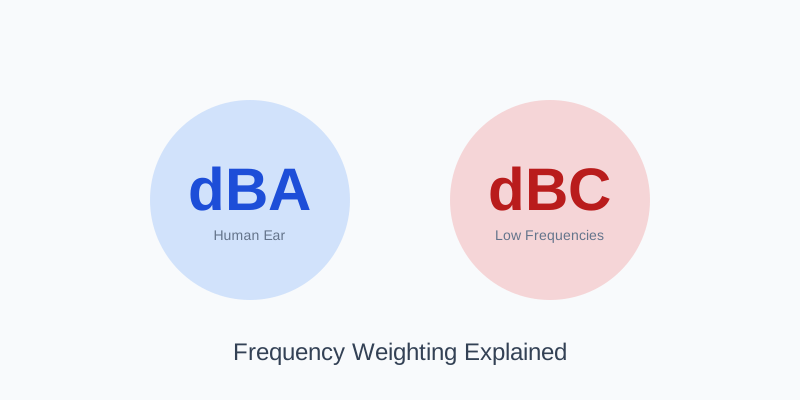
If you want to understand weighting (dBA vs dBC) before measuring, start here: dBA vs dBC: Which One Should You Use?.